Early Orthodontic Treatment in Norwalk, CT
Your child’s first orthodontic check should happen around age 7.
That does not mean braces at age 7. An early evaluation allows Dr. May Kim to determine whether your child’s teeth and jaws are developing normally, and whether treatment now, monitoring or waiting makes the most sense.
Why Age 7?
An early orthodontic evaluation does not mean your child needs braces at age seven.
At this age, permanent teeth are beginning to erupt and the jaws are still developing. That gives an orthodontist the chance to identify certain problems early and decide whether treatment, monitoring or simply waiting is most appropriate.
Sometimes the best treatment is simply watching growth and eruption over time.
See a Real Case
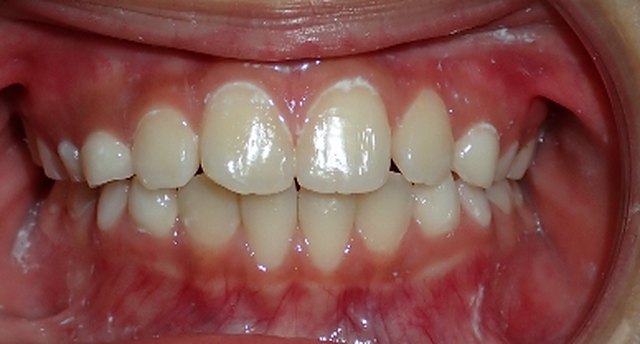
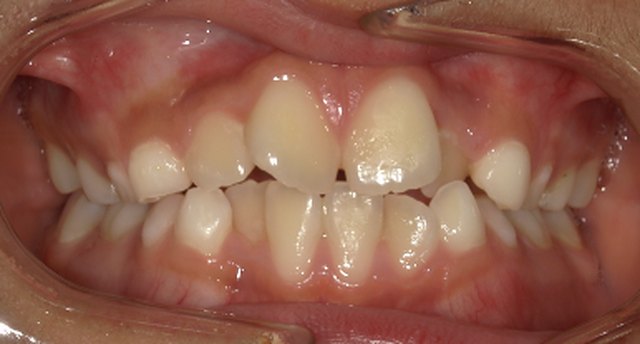 BeforeAfter
Early Treatment for a Narrow Upper Jaw. A removable clear expander that gently widens a growing child’s upper jaw. See More Results in Our Smile Gallery →
What Dr. Kim Evaluates
Jaw Growth
Whether the upper and lower jaws are developing in proportion to each other.
Tooth Eruption
Whether permanent teeth are arriving in the right order and position.
Crowding and Space
Whether there is room for the permanent teeth still to come.
Bite Relationships
How the upper and lower teeth meet, including crossbite and underbite.
Width of the Upper Arch
Whether a narrow upper jaw is contributing to a crossbite or crowding.
Oral Habits
Habits such as thumb sucking that can affect development over time.
Signs Parents Can Watch For
Difficulty Chewing or Biting
Trouble managing food, or a bite that looks off when the back teeth meet.
Mouth Breathing
Worth mentioning, as it can relate to how the jaws and airway are developing.
Teeth That Do Not Meet Properly
Front teeth that do not touch, or lower teeth sitting ahead of upper teeth.
Crowded or Blocked-Out Teeth
Permanent teeth coming in behind, in front of, or on top of each other.
Baby Teeth Lost Very Early or Very Late
Timing well outside the usual pattern for their age.
Thumb Sucking Past the Early Years
Persistent habits that continue as permanent teeth arrive.
When Early Treatment May Help
Crossbite
Where the bite is off side to side, correcting it during growth can be more straightforward.
Narrow Upper Jaw
Width can be addressed while the jaw is still developing.
Severe Crowding
Creating or preserving space can reduce what is needed later.
Habits Affecting Development
An appliance may be used to help stop a persistent habit when appropriate.
Teeth at Risk of Damage
Significantly protruding front teeth can be more vulnerable to injury.
Eruption Problems
Permanent teeth that are blocked or coming in badly positioned.
When Observation Is Better
Not every child benefits from treatment at seven. If the jaws and teeth are developing well, or if a problem is better addressed once more permanent teeth have arrived, waiting is the right call.
In that case your child simply returns at intervals Dr. Kim sets, so growth and eruption can be followed and treatment started at the right moment rather than the earliest one.
Expanders
A palatal expander may be used in growing patients, when appropriate, to widen a narrow upper jaw or to address certain crossbites and space problems. It is a fixed appliance that works gradually, on a schedule Dr. Kim sets and shows you how to follow.
Expanders are not used for every crowded child. Whether one is appropriate depends on growth, the bite and what is actually causing the problem.
Phase I Treatment
Phase I is a first, shorter stage of treatment while a child still has a mix of baby and permanent teeth. The aim is to guide growth or create space rather than to straighten every tooth.
Not every child needs Phase I treatment. Dr. Kim recommends it only when treating early is genuinely expected to make a difference to the outcome.
What Happens After Phase I?
After Phase I, there is usually a resting period while the remaining permanent teeth come in, with periodic checks to follow progress.
A second stage with Braces or Clear Aligners may follow once the permanent teeth are in, and Retainers hold the result afterwards. Whether a second stage is needed depends on how things develop.
Early Orthodontics FAQ
The American Association of Orthodontists recommends a first orthodontic check-up by about age 7, when the first permanent teeth are usually coming in and the jaws are still developing.
No. Many children are simply monitored at periodic visits, and some never need early treatment at all.
A first, shorter stage of treatment aimed at guiding growth or creating space while a child still has some baby teeth. A second stage may follow once the permanent teeth are in.
Sometimes. Early treatment can reduce what is needed later, but it does not always remove the need for a full course of treatment.
Most children feel pressure rather than pain, usually strongest in the first days after it is placed and after each adjustment. Tell Dr. Kim if your child is genuinely uncomfortable.
It varies by case. The appliance is typically left in place for a period after the widening is finished so the result is stable. Dr. Kim will give you a schedule for your child.
It is common for speech to sound different at first and for there to be more saliva. This usually settles as they adjust.
No. Expanders address specific problems such as a narrow upper jaw or certain crossbites. Many crowded children are treated differently, or simply monitored.
Dr. Kim will show you exactly how and when to turn it, and will check progress at your visits. Never change the schedule on your own.
The appliance usually stays in for a retention period, then comes out. Dr. Kim will explain whether further treatment is expected later.
Questions About Your Child’s Bite?
Bring them in and we will tell you honestly whether anything needs doing yet.